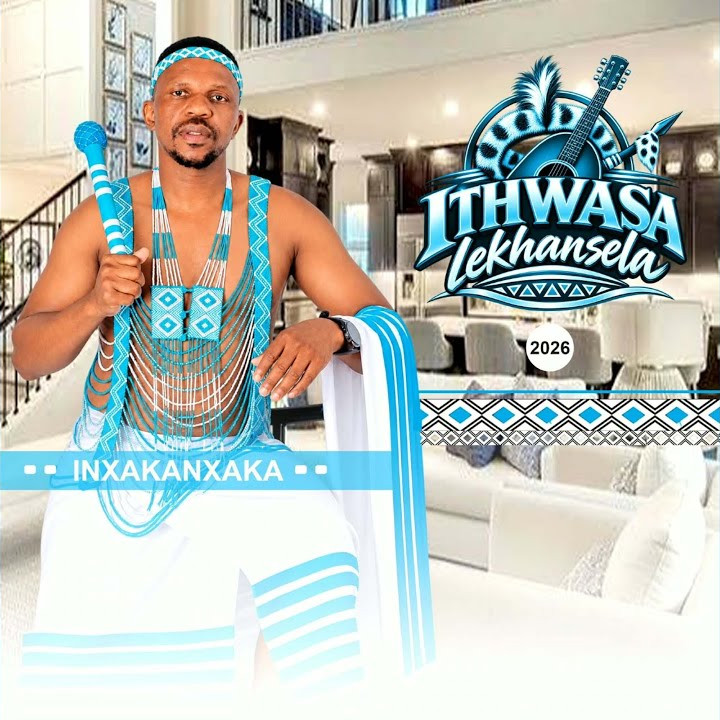
Ithwasa Lekhansela names a song Hamba Moya, words that call on a spirit to move, giving the track a spiritual weight from the title alone. Maskandi has always carried that closeness to the unseen.
Hamba Moya works in the acoustic maskandi mode, the Zulu guitar setting the melody while the rhythm keeps a grounded, danceable pace. The genre often sits at the meeting point of everyday life and the ancestral, and a title that addresses a spirit fits a music that has never drawn a hard line between the two.
As a maskandi artist, Ithwasa Lekhansela draws on a tradition that treats the singer as a storyteller and, often, a voice for the community’s beliefs. That role gives a song like this its standing, rooted in a culture where calling on the spirit is part of ordinary speech.
The moment to catch is where the instrumentation drops back and the voice carries alone for a stretch, a feature of maskandi that puts the singer’s identity on full display. That exposed passage is where the tradition shows its heart.
It suits a reflective gathering or a quiet moment of respect, rather than a party. Those who hold the spiritual side of Zulu music close will find it speaks to something real.
Stream on Digital Stores